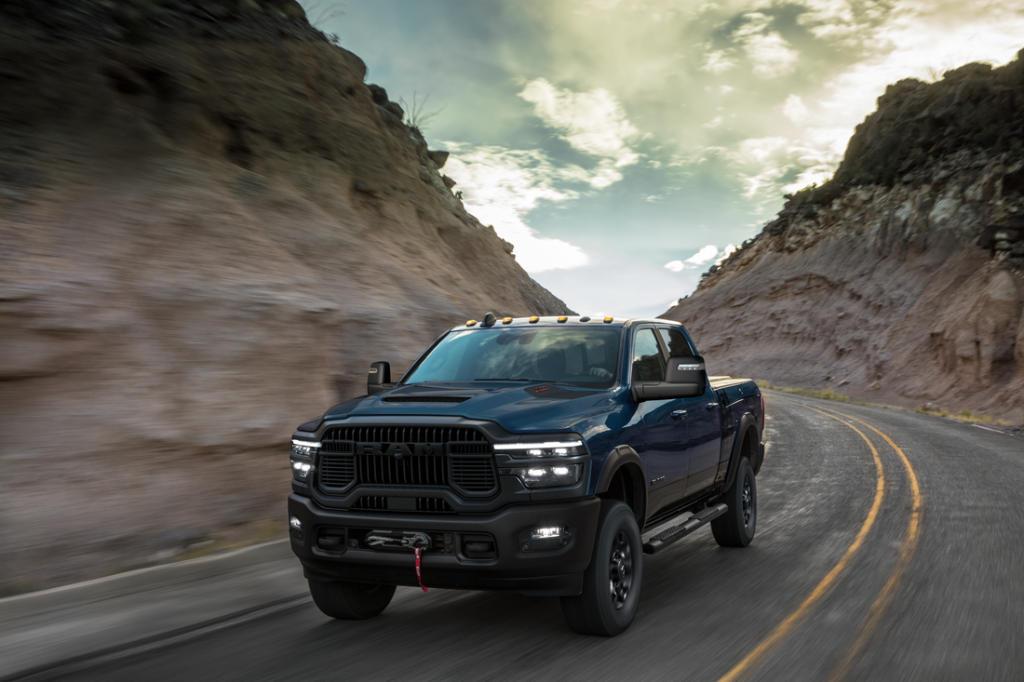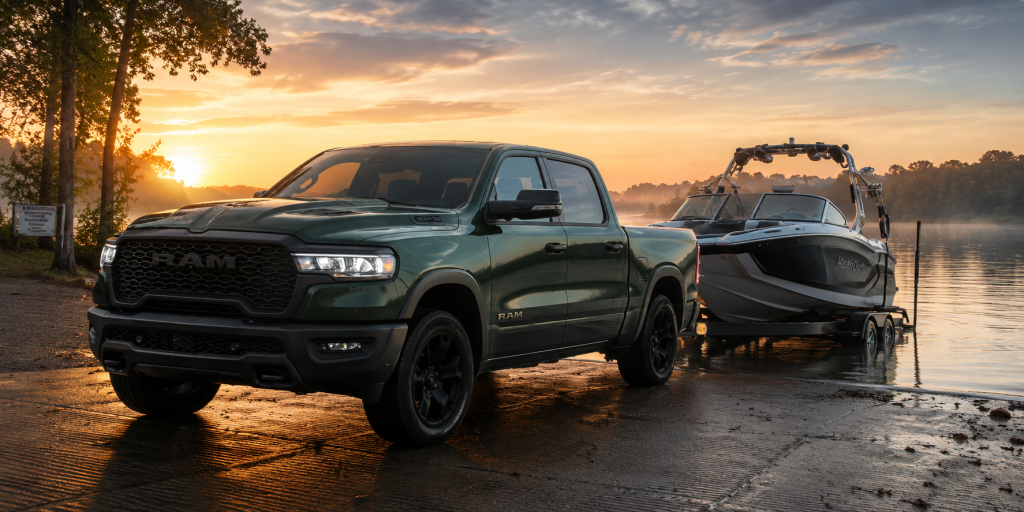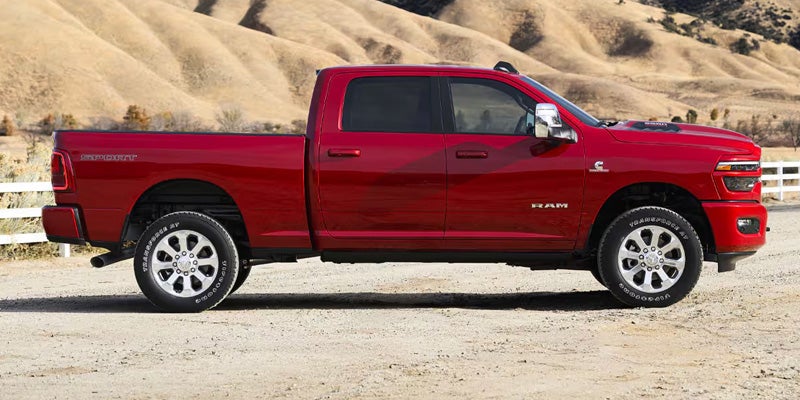



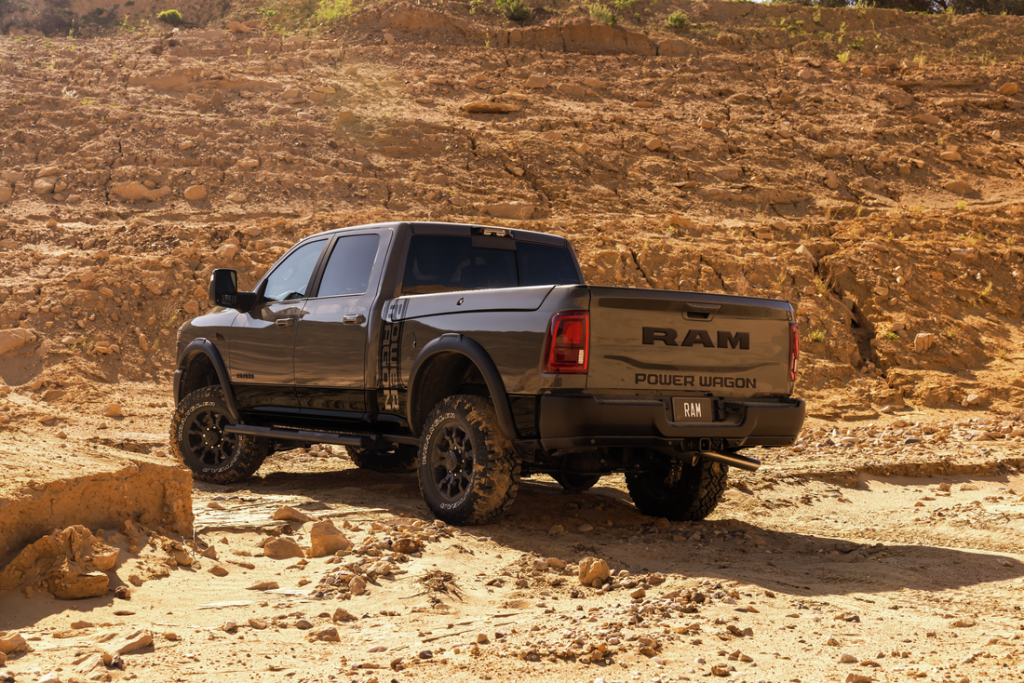
As late August transitions into crisp September mornings, sportspeople across Park County are tuning up their bows, sighting in their rifles, and preparing for another unforgettable hunting season. Whether you're drawing a tag for elk, mule deer, or antelope, the terrain around Cody demands a vehicle that works as hard as you do. From navigating the steep grades up the South Fork of the Shoshone River to tackling unpaved trailheads deep in the Shoshone National Forest, the RAM truck lineup is engineered to dominate Wyoming’s rugged backcountry. Smart, Secure Storage with the RamBox® System Across the RAM lineup, the available class-exclusive RamBox® Cargo Management System is a complete game-changer for hunters. Built directly into the bed rails, these lockable, weatherproof bins keep expensive rifles, bows, and optics safe and completely out of sight when you stop in town before dawn. After a long day in the woods, throw your muddy boots or wet gear straight inside—the built-in drain plugs allow you to hose the bins out in seconds. Plus, with integrated interior lighting and an available 115-volt outlet, gear adjustments in the pre-dawn darkness are effortless, all while leaving your main truck bed wide open for coolers, wall tents, or an ATV. Unmatched Diesel Torque: RAM 2500 Heavy Duty Rebel® When your hunting setup involves hauling a heavy camper, a trailer full of side-by-sides, or gear for a multi-week backcountry camp up steep mountain passes, the RAM 2500 Heavy Duty Rebel® answers the call. Powered by the available 6.7L Cummins® Turbo Diesel engine, it packs immense low-end torque to pull massive weight up high-altitude inclines without breaking a sweat. Combined with factory-installed Bilstein® gas-charged monotube shocks, aggressive all-terrain tires, heavy-duty skid plates, and an electronic rear locking differential, the Diesel Rebel effortlessly bridges the gap between heavy towing horsepower and off-road grit. Technical Trail Dominance: RAM 2500 Power Wagon® For hunters pushing deep into extreme terrain where dirt roads turn into boulder-strewn rutted trails, the legendary RAM 2500 Power Wagon® stands in a class of its own. Engineered specifically for technical off-road access, it features front and rear electronic locking differentials for ultimate 4x4 traction, along with a class-exclusive electronic disconnecting front sway bar for extreme wheel articulation over washouts. If you ever find yourself navigating deep mud or needing to clear a fallen tree off a remote forestry trail, the factory-integrated 12,000-lb WARN® winch gets you unstuck and moving again with confidence. Find Your Hunting Rig at Fremont CDJR Cody Whether you need the everyday versatility of a RAM 1500 or the heavy-duty backcountry prowess of the Diesel Rebel and Power Wagon, there is a RAM truck built for your exact hunting style. Before archery season kicks off, stop by Fremont Chrysler Dodge Jeep Ram in Cody to explore our full RAM lineup, test out the RamBox system, and ensure your rig is ready for the Absarokas this fall.
Diesel EGR Valve Symptoms: Signs of Failure & Can You Still Drive in WY?
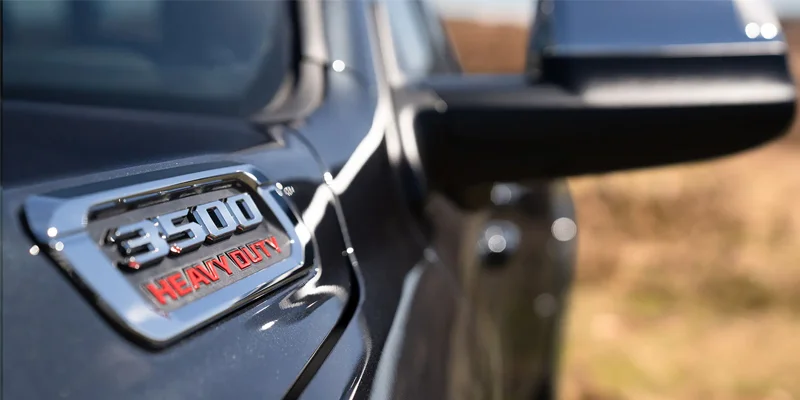
Quick Answer: Failing Diesel EGR Valve Symptoms & Driving Safety A failing Exhaust Gas Recirculation (EGR) valve on a heavy-duty diesel truck such as a 6.7L Cummins-equipped RAM 2500 or 3500 typically causes rough idling, loss of turbo boost, dark exhaust smoke, reduced fuel economy, and a Check Engine Light (often codes P0401, P0402, or P0404). While you can usually drive a short distance to a repair bay if the truck has not entered derate ("limp") mode, continuing to tow or haul across Wyoming grades risks overheating the turbocharger, plugging the Diesel Particulate Filter (DPF), and triggering a costly roadside breakdown. Most Common Warning Signs: Hesitation under throttle, sluggish acceleration on hills, increased soot/black smoke, and frequent active DPF regenerations. Driving Verdict: Short, unloaded trips directly to a service center are generally manageable if temperatures and oil pressure stay normal; heavy towing up passes like Sylvan Pass or the Beartooth Highway is strongly discouraged. Local Diesel Service in Cody: Schedule certified diagnostics at Fremont Motor Cody CDJR (3127 Big Horn Ave, Cody, WY 82414), featuring 10 service bays, a heated enclosed service drive-in, and a specialized RV/heavy-duty lube pit. Diesel pickup owners across Park County depend on their trucks for ranching, hauling equipment, and towing campers through steep elevation changes. Because modern diesel engines rely on tightly calibrated airflow and emissions controls, a carbon-fouled or mechanically stuck EGR valve quickly disrupts performance. Understanding how to recognize early failure symptoms and knowing when to park the trailer protects your engine from secondary damage. What Does the EGR Valve Do on a Diesel Truck? The EGR valve meters a precise amount of cooled exhaust gas back into the intake manifold to lower peak combustion chamber temperatures and reduce nitrogen oxide (NOx) emissions. When soot, oil vapor, or winter condensation builds up on the valve pintle or actuator, the valve can jam open, jam closed, or respond too slowly to Engine Control Module (ECM) commands. Stuck-Open EGR Valve Exhaust gas continuously floods the intake even at idle or low RPM. This starves the cylinders of fresh oxygen, causing rough idling, stalling, heavy black smoke, and severe turbo lag when pulling out onto Big Horn Avenue or merging with a trailer. Stuck-Closed EGR Valve No exhaust gas recirculates into the intake, causing combustion temperatures to spike under load. While the truck may initially feel responsive, elevated combustion heat stresses cylinder heads, increases NOx output, and triggers an immediate Check Engine Light and eventual power derate. 7 Common Signs a Diesel EGR Valve Needs Repair EGR issues rarely appear out of nowhere; they usually develop gradually as carbon deposits accumulate from short-trip driving, extended idling in cold weather, or overdue crankcase filter service. Watch for these seven indicators on your diesel pickup: Check Engine Light & Emissions Codes: Diagnostic trouble codes such as P0401 (insufficient EGR flow), P0402 (excessive EGR flow), or P0404 (EGR circuit range/performance) are often the earliest digital warning from the ECM. Loss of Power & Sluggish Acceleration: A valve stuck partially open bleeds off boost pressure and displaces oxygen, leaving the truck noticeably weak when climbing grades toward Yellowstone or Powell. Rough Idle or Hard Cold Starts: On freezing Cody mornings, soot mixed with moisture can stick the valve open, causing the engine to stumble, surge, or stall right after startup. Dark Exhaust Smoke: Incomplete combustion from too much recirculated exhaust and too little fresh air produces visible black soot under acceleration. Sudden Drop in Fuel Economy: When air-to-fuel ratios fall out of balance, the ECM injects extra fuel to maintain requested torque, noticeably reducing miles per gallon on highway runs. Frequent DPF Regenerations: Extra soot produced by a malfunctioning EGR system loads the Diesel Particulate Filter faster, forcing more frequent active regens and increasing the risk of a plugged DPF. Metallic Knocking or Pinging Under Load: A stuck-closed EGR valve raises cylinder temperatures and pressures, which can produce audible combustion knock when towing heavy loads up steep hills. Can I Drive My Diesel Truck With a Failing EGR Valve? You can typically drive a diesel truck with a failing EGR valve for a brief, unloaded trip to a qualified repair facility, provided the engine is not overheating, knocking loudly, or locked in speed-limited derate mode. However, continuing normal daily driving—and especially heavy towing—turns a straightforward valve cleaning or replacement into a multi-system repair. Scenario Recommended Action Primary Mechanical Risk Check Engine Light only (truck drives normally) Schedule diagnostic testing soon; avoid long highway hauls until inspected. Progressive soot buildup can foul the EGR cooler and intake manifold. Rough idle, black smoke, or weak boost Drive unloaded straight to the service bay or arrange a tow if stalling occurs. Rapid DPF clogging, diluted engine oil from failed regens, and turbocharger strain. Limp / Derate mode or coolant loss Do not continue driving or towing; shut down safely and call for roadside transport. If an EGR cooler leaks coolant into the intake or exhaust, severe engine or DPF damage can occur. Why Wyoming Driving Conditions Accelerate EGR Wear Operating a heavy-duty diesel in Northwest Wyoming places unique demands on emissions hardware compared to milder climates. Understanding these local factors helps Cody, Powell, and Basin drivers prevent premature valve sticking: Extended Winter Idling: Warming up a diesel truck for 20 to 30 minutes in sub-zero temperatures keeps exhaust temperatures low, allowing unburned fuel vapors and soot to coat the EGR valve and cooler fins. Short-Trip Errands Around Town: Quick drives along Sheridan Avenue or Big Horn Avenue prevent the engine and exhaust aftertreatment system from reaching full operating temperature needed to burn off light carbon deposits. High-Altitude Grades & Heavy Towing: Pulling livestock trailers or fifth-wheels up high-elevation passes demands sustained turbo boost and high exhaust gas temperatures, exposing any sticky actuator or restricted EGR cooler passage. What Affects Diesel EGR Valve Replacement Cost in Cody? Total repair cost depends on whether the issue is limited to the EGR valve actuator itself or involves related components that share the same assembly. When our factory-trained diesel technicians inspect a truck in Cody, they evaluate the complete air and exhaust recirculation path before recommending parts: Valve Cleaning vs. Full Replacement: Mild carbon sticking can sometimes be resolved with targeted cleaning and updated ECM calibrations, whereas electrical actuator failure or internal valve wear requires a new OEM EGR valve. EGR Cooler Condition: Because the EGR cooler sits directly in the exhaust path, soot plugging or internal coolant leaks often require cooler cleaning or replacement at the same time to prevent a repeat failure. Downstream Sensor & Gasket Checks: Differential pressure sensors, temperature probes, and single-use gaskets should always be verified and replaced as needed to prevent exhaust or boost leaks. Frequently Asked Questions About Diesel EGR Valves How long does a diesel EGR valve usually last? On modern 6.7L Cummins and heavy-duty diesel engines, an EGR valve commonly lasts between 80,000 and 150,000 miles. Trucks that see mostly highway towing tend to stay cleaner longer, while trucks used for frequent short trips or heavy winter idling may need EGR service earlier. Will cleaning an EGR valve fix a Check Engine Light? If the valve is mechanically sluggish due to carbon buildup and the internal position sensor and actuator motor are still healthy, professional cleaning can restore proper flow. If the electronic actuator has failed or the valve stem is worn, replacement is required. Does Fremont Motor Cody CDJR service non-RAM diesel trucks too? Yes. Our Cody service team operates a combined facility trained across Chrysler, Dodge, Jeep, RAM, and Ford platforms, equipped with 10 service bays, heavy-duty diagnostic tooling, and a specialized RV/heavy-duty lube pit. Schedule Diesel Diagnostics in Cody, WY Noticeable boost loss, dark smoke, or an EGR trouble code shouldn't wait until you're halfway up a mountain grade. Drive straight into the heated, enclosed service lane at Fremont Motor Cody Chrysler Dodge Jeep Ram at 3127 Big Horn Ave, Cody, WY 82414, or call our service advisors at (307) 587-6206 to book an inspection. Schedule Diesel Service Contact Our Service Team Service Note: Diagnostic findings, repair timelines, and component requirements vary by model year, engine configuration, and inspection results. Always consult a factory-trained technician when warning lights or derate messages appear.