




Diesel Truck Repair in Cody, WY
When your rig needs immediate attention, finding reliable diesel truck repair in Cody, WY is the difference between getting back on the road and facing costly downtime. Trust Fremont Motor Cody for specialized service.
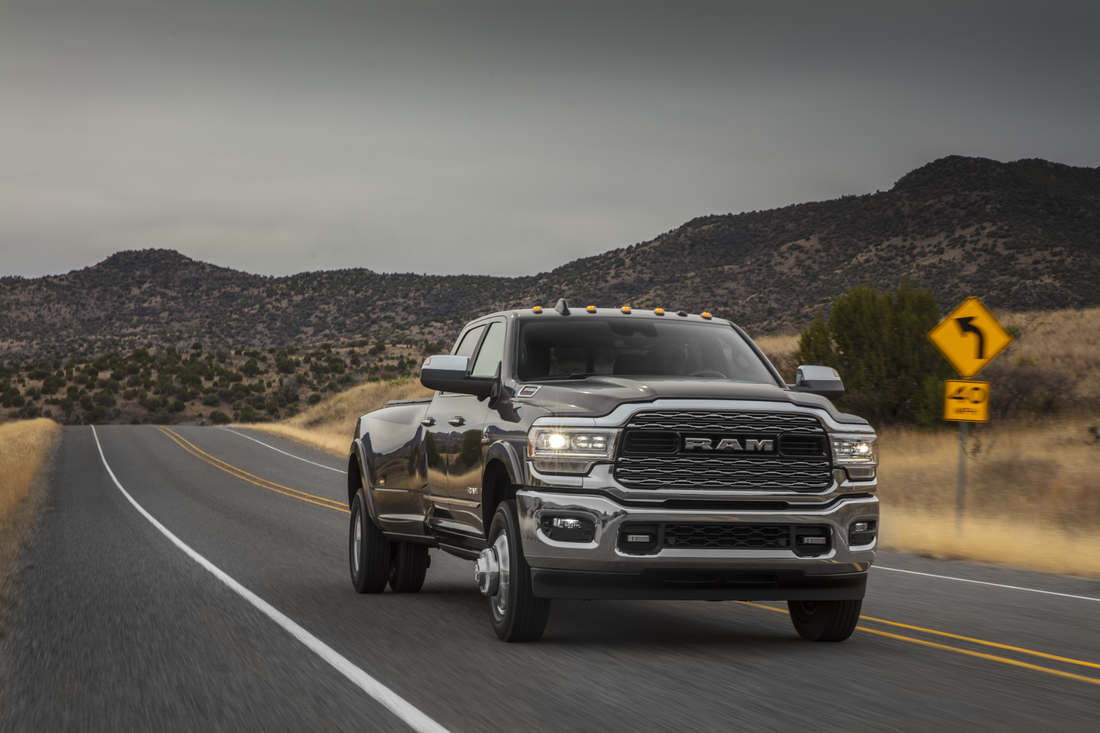
Operating a high-torque tow rig under demanding conditions requires specialized maintenance that standard automotive shops simply cannot provide. Heavy-duty diesel trucks represent the lifeblood of Wyoming's regional commerce, agricultural operations, and wilderness recreation. The extreme elevation changes, substantial payloads, and steep mountain passes near Cody place immense stress on critical vehicle components like turbochargers, exhaust aftertreatment systems, and heavy-duty transmissions. Keeping these hard-working vehicles operating at peak performance demands professional diagnostics, specialized tooling, and certified technicians who thoroughly understand the unique engineering of modern diesel powertrains.
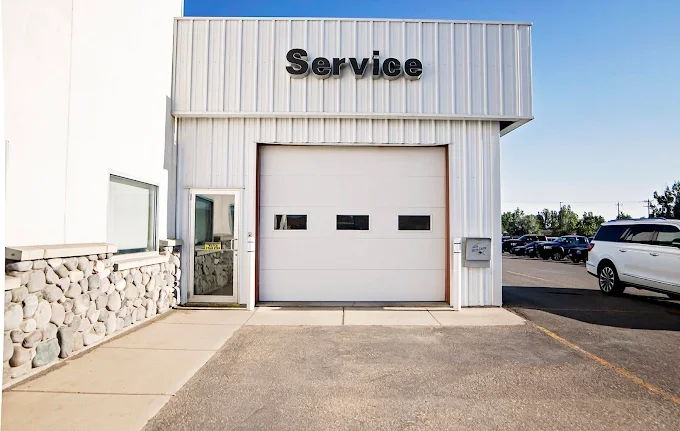
At Fremont Motor Cody Chrysler Dodge Jeep Ram, our service department is fully equipped to handle complex diesel diagnostics and repairs for light-duty and heavy-duty trucks. If you drive a 2026 Ram 2500 Heavy Duty equipped with the legendary 6.7L Cummins Turbo Diesel or a light-duty diesel model, our factory-trained technicians possess the precise diagnostic software and mechanical expertise required to keep your engine running cleanly and efficiently. From high-pressure common-rail fuel system repairs to selective catalytic reduction diagnostics, we ensure your truck meets factory specifications and maintains its rugged dependability.
Our team understands that vehicle downtime translates directly to lost productivity for local ranches, construction crews, and transport operations. We focus on providing highly accurate diagnostics to identify root causes quickly, preventing repetitive failures and unnecessary parts replacements. For drivers seeking the highest standard of diesel truck repair in Cody, WY, finding our facility is straightforward.
Why Choose Specialized Diesel Truck Repair in Cody, WY over Standard Auto Shops?
Determining which service center is truly equipped to handle a heavy-duty diesel pickup requires looking beyond basic oil changes and brake pad replacements. While general automotive garages can easily manage routine passenger car maintenance, modern diesel engines are highly complex machines. They require specialized diagnostic platforms, high-capacity vehicle lifts, and technicians who hold advanced, brand-specific certifications.
Opting for a general repair shop over a dedicated facility often means missing out on the specialized tooling and exact engineering knowledge required to keep high-torque powertrains running reliably under heavy loads.

The primary difference between standard repair shops and an authorized dealership service center lies in the sophistication of the diagnostic technology:
- Advanced Diagnostic Equipment: Modern diesel emission systems—including diesel particulate filters (DPF), exhaust gas recirculation (EGR) valves, and selective catalytic reduction (SCR) setups—rely on a complex network of sensitive electronic sensors. Troubleshooting these systems requires proprietary software capable of performing precise electronic control module updates and system recalibrations. General repair shops frequently lack these advanced diagnostic bays, which can lead to inaccurate troubleshooting, unnecessary parts replacements, and unresolved performance issues.
-
OEM Parts & Factory Standards:A specialized service department ensures your truck is serviced using genuine original equipment manufacturer (OEM) parts rather than low-grade aftermarket alternatives. Using correct components is especially critical for high-pressure fuel systems and turbochargers, where minor variances in manufacturing tolerances can lead to catastrophic engine failure. Plus, you can offset your maintenance costs with our latest service coupons, making certified OEM care highly cost-effective.
- Warranty Preservation: Factory-trained technicians follow strict manufacturer repair protocols and utilize specialized tools engineered specifically for heavy-duty diesel engines. This meticulous approach preserves your vehicle's warranty, maintains its resale value, and ensures every repair is executed to the highest industry standards.
Diesel vs. Gas Engine Longevity: Maximizing Your Cummins Turbo Diesel
The question of whether a diesel powertrain genuinely outlasts a gasoline counterpart is a frequent topic of discussion among truck owners. When backed by a disciplined, proactive maintenance strategy, a diesel engine can easily double the operational lifespan of a gas-powered vehicle.
While a modern gasoline engine typically delivers reliable service for up to 200,000 miles, a well-maintained heavy-duty diesel engine, such as the 6.7L Cummins Turbo Diesel found in the 2026 Ram 3500 Heavy Duty, routinely surpasses 350,000 to 500,000 miles before requiring a major overhaul.
This dramatic difference in longevity is a direct result of specialized heavy-duty engineering:
- Heavy-Duty Structural Castings: Operating under immense compression ratios requires extreme structural strength. To survive these intense internal forces, diesel engine blocks, cylinder heads, pistons, and connecting rods are cast with exceptionally thick, high-strength alloys.
- Natural Lubrication Properties: Unlike gasoline, which acts as a solvent that can strip away protective oil barriers, diesel fuel behaves like a light lubricating oil. This inherent property continuously reduces friction and wear inside the cylinder walls and high-pressure fuel injection components.
- Low-RPM Torque Delivery: Diesel engines generate peak torque at much lower engine speeds than gasoline configurations. Because the engine does not need to spin rapidly to move heavy payloads, it experiences fewer total mechanical cycles and significantly less cumulative wear over its operational life.
Realizing this incredible mileage potential requires strict adherence to preventative care. Modern common-rail fuel systems operate at pressures exceeding 30,000 psi, making them highly sensitive to microscopic debris and water contamination. Neglecting fuel filter replacements can lead to rapid wear of the fuel injectors and high-pressure pumps. Regular oil analysis, timely cooling system flushes to prevent cylinder liner cavitation, and keeping the intake tract free of carbon buildup are essential steps to ensure your high-torque investment continues to run smoothly for decades.
Commercial Fleet & Diesel Truck Repair in Cody, WY
Determining whether a heavy-duty diesel pickup requires a Department of Transportation (DOT) inspection causes frequent confusion among local drivers. Under Federal Motor Carrier Safety Administration (FMCSA) guidelines, private non-commercial vehicles operated strictly for personal recreation or agricultural lifestyle tasks are exempt from federal annual safety inspection requirements. This exemption covers activities such as hauling a personal camper or transporting private livestock.
However, the distinction between private and commercial operation depends entirely on the purpose of the trip rather than the classification on the vehicle registration. If a heavy-duty truck is used to advance a business, even a small family ranching operation, it may fall under federal or state commercial vehicle regulations. Specifically, if the gross vehicle weight rating (GVWR) or gross combination weight rating (GCWR) of the truck and trailer exceeds 10,010 pounds and is used for commercial purposes, the vehicle is subject to commercial regulations. This classification requires annual safety inspections, logbook maintenance, and driver qualification files.

For truck owners who do operate commercially, keeping up with these safety standards is critical for avoiding costly roadside citations and ensuring fleet safety. Our professional technicians assist commercial operators with comprehensive safety inspections, verifying the structural and mechanical integrity of critical safety components:
- Brake System Integrity: Detailed inspection of air or hydraulic brake components, lining thickness, and system plumbing.
- Steering and Suspension: Checking for excessive play in tie rods, ball joints, steering gears, and leaf spring assemblies.
- Coupling Devices: Verifying the wear limits and structural integrity of fifth-wheel hitches, gooseneck balls, and safety chain attachments.
- Lighting and Electrical: Ensuring all clearance lights, turn signals, and brake lights function correctly to maintain high visibility.
Staying compliant protects your business from liability and ensures your tow rig remains safe on steep mountain descents. Keeping detailed service records also preserves the resale value of your fleet vehicles.
Preventing Cold-Weather Fuel Gelling in Wyoming's High-Altitude Winters
Operating a heavy-duty diesel pickup during harsh winters requires careful attention to fuel chemistry and thermal management. Standard untreated No. 2 diesel contains naturally occurring paraffin wax. While this wax remains fully dissolved in warm temperatures, extreme cold causes it to precipitate out of solution, creating a cloudy appearance. As temperatures continue to plunge, these wax crystals fuse together, causing the fuel to gel. This thick substance quickly plugs the primary and secondary fuel filters, starving the engine of fuel and leaving you stranded.
In high-altitude mountain environments, untreated diesel fuel typically begins to cloud around 32 degrees Fahrenheit. Actual fuel gelling and filter plugging often occur when temperatures drop between 10 degrees Fahrenheit and 15 degrees Fahrenheit. Navigating the high-elevation routes around Cody and the surrounding mountain passes, where sub-freezing temperatures persist for weeks, requires proactive cold-weather preparation.
To maintain reliable winter performance, implement these critical preventative measures:
- Use Winterized Fuel Blends: Regional service stations transition to winterized diesel blends, mixing No. 2 diesel with No. 1 kerosene to lower the cold filter plugging point.
- Add Anti-Gel Treatments: Pouring a high-quality, manufacturer-approved anti-gel additive directly into the fuel tank before refueling ensures a thorough mix that prevents wax crystallization.
- Plug In the Block Heater: Utilizing your truck's engine block heater when temperatures drop below 20 degrees Fahrenheit warms the cylinder block and engine oil, reducing starter draw and easing cold starts.
- Service Fuel Filters Early: Replacing fuel filters and draining the water separator before the first hard freeze removes trapped moisture that could otherwise freeze instantly and block fuel flow.
If your truck experiences a hard start, rough idle, or sudden power loss in extreme cold, wax crystals have likely already restricted fuel flow. Forcing the engine to run under these conditions can damage the high-pressure fuel pump. The safest course of action is to move the vehicle into a heated space to thaw completely and replace the plugged fuel filters before attempting another start.
Frequently Asked Questions About Diesel Truck Repair in Cody, WY
Where is the best place to get certified diesel truck repair in Cody, WY?
For certified diagnostics, factory-backed repairs, and genuine OEM parts, Fremont Motor Cody on Big Horn Avenue is the premier local destination. Our service center features specialized heavy-duty lifts, manufacturer-specific computer diagnostics, and master-certified diesel technicians.
How often should the fuel filters be replaced on a Cummins diesel engine?
For the 6.7L Cummins Turbo Diesel, replacing both the primary and secondary fuel filters every 15,000 miles is standard practice. If you regularly haul heavy livestock trailers or operate in dusty agricultural environments, reducing this interval to every 10,000 miles helps shield the high-pressure fuel injectors from microscopic debris and water damage.
What causes the diesel exhaust fluid (DEF) warning light to turn on?
An illuminated DEF light typically points to a low fluid level, a malfunctioning heater assembly, or a failing NOx sensor within the selective catalytic reduction system. Because these emissions systems are highly sensitive, ignoring the alert can trigger a speed-restricted limp mode.
Why does my diesel truck emit black smoke during heavy acceleration?
Black exhaust indicates an incorrect air-to-fuel ratio where the engine is receiving too much fuel or insufficient air. Common culprits include a clogged air filter, a leaking charge air cooler pipe, or a sticking turbocharger actuator.
Schedule Your Service Today
Do not wait until a minor maintenance issue turns into a major highway breakdown. Schedule your expert diagnostics and repairs with Cody's premier diesel truck specialists today.