




Brake Repair, Cody WY
When your vehicle needs immediate attention, finding reliable brake repair in Cody, WY is the difference between safe travel and facing hazardous stopping conditions. Trust Fremont Chrysler Dodge Jeep RAM Cody for specialized service.
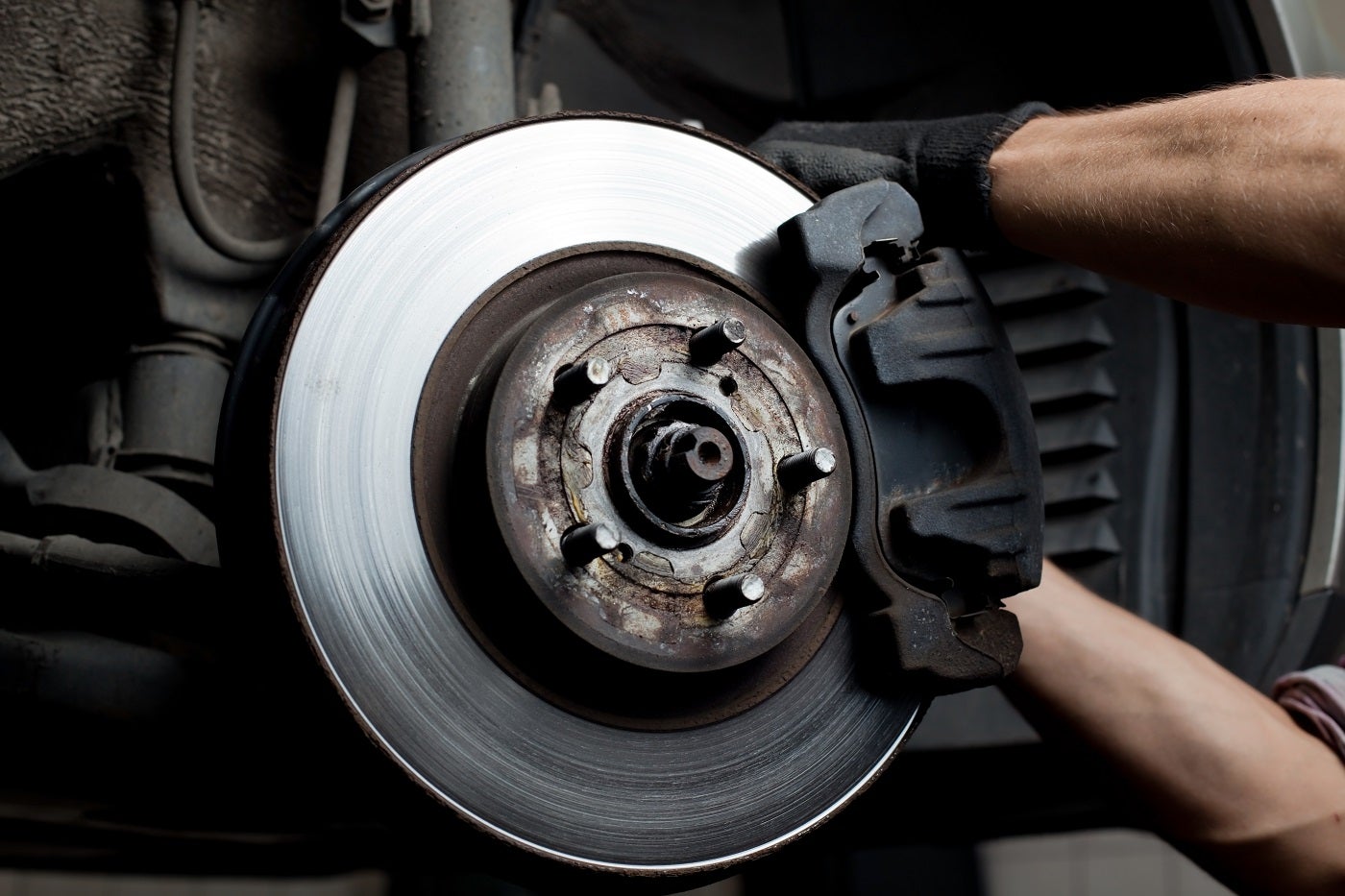
Operating a vehicle under demanding mountain conditions requires specialized stopping systems that standard automotive shops simply cannot optimize. Reliable stopping systems represent the lifeblood of safe regional travel, agricultural hauling, and mountain recreation. The extreme elevation changes, substantial payloads, and steep mountain terrain near Cody place immense stress on critical vehicle components like Brake Pads, rotors, and hydraulics. Keeping these hard-working vehicles operating at peak performance demands professional diagnostics, specialized tooling, and Certified Technicians who thoroughly understand the unique engineering of modern stopping systems.
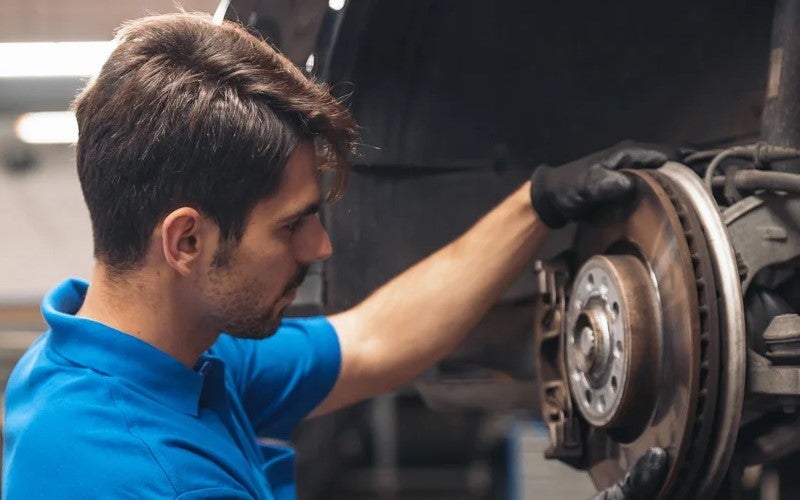
At Fremont Chrysler Dodge Jeep RAM Cody, our Service Department is fully equipped to handle complex brake diagnostics and repairs for light-duty SUVs and heavy-duty trucks. If you drive a Jeep Cherokee, a Ram truck, a Dodge sedan, or a Chrysler minivan, our factory-trained specialists possess the precise diagnostic software and mechanical expertise required to keep your brakes functioning correctly and efficiently. From hydraulic caliper service to anti-lock brake calibration, we verify your vehicle meets factory specifications and maintains its lasting dependability.
Our team understands that vehicle downtime translates directly to lost productivity for local ranches, construction crews, and transport operations. We focus on providing highly accurate diagnostics to identify root causes quickly, preventing repetitive wear and unnecessary parts replacements. For drivers seeking the highest standard of brake repair in Cody, WY, finding our facility is straightforward.
Why Choose Specialized Brake Repair in Cody, WY over Standard Auto Shops?
Determining which repair facility is truly equipped to handle a complete brake service requires looking beyond basic oil changes. While general automotive garages can easily manage simple tasks, modern vehicle safety networks are highly complex. They require specialized diagnostic platforms, precision brake lathes, and technicians who hold rigorous, brand-specific certifications.
Opting for a general repair shop over a specialized facility often means missing out on the custom tooling and exact engineering knowledge required to keep high-pressure stopping components operating reliably under heavy loads.
The primary difference between standard repair shops and our authorized Service Department lies in the sophistication of the diagnostic technology:
- Specialized Diagnostic Equipment: Modern braking systems—including anti-lock brakes (ABS), electronic stability control, and electronic park brakes—rely on a complex network of sensitive electronic sensors. Troubleshooting these setups requires proprietary software capable of performing precise electronic control module updates and system recalibrations. General repair shops frequently lack these technical diagnostic bays, which can lead to inaccurate troubleshooting, unnecessary parts replacements, and unresolved performance issues.
-
OEM Parts & Factory Standards:A specialized repair facility guarantees your vehicle is serviced using genuine Mopar OEM Parts rather than low-grade aftermarket alternatives. Using correct components is especially critical for Brake Pads and rotors, where minor variances in manufacturing tolerances can lead to poor stopping power or cause catastrophic damage to vital components like Brake Rotors and calipers. Plus, you can offset your maintenance costs with our latest service coupons, making certified factory care highly cost-effective.
- Warranty Preservation: Factory-trained Certified Technicians follow strict manufacturer repair protocols and utilize specialized tools engineered specifically for modern stopping systems. This meticulous approach preserves your vehicle's warranty, maintains its resale value, and guarantees every repair is executed to the highest industry standards.
Brake Pad vs. Rotor Longevity: Maximizing Your Stopping Power
The question of how long your stopping components will last under tough mountain conditions is a frequent topic of discussion among vehicle owners. When backed by a disciplined, proactive maintenance strategy, factory-grade components can easily double the operational lifespan of lower-grade alternatives.
While standard Brake Pads typically deliver reliable service for up to twenty-five thousand miles, well-maintained Brake Rotors and calipers on heavy-duty vehicles, such as those found on a Ram 2500, routinely surpass sixty-five thousand miles before requiring replacement.
This level of longevity is a direct result of specialized factory engineering:
- Heavy-Duty Ventilated Castings: Operating under intense heat requires extreme structural strength. To survive these high temperatures, factory Brake Rotors are cast with exceptionally thick, high-strength alloys and interior cooling vanes.
- Optimized Friction Compounds: Unlike low-grade materials that wear away quickly, premium metallic and ceramic compounds perform consistently across broad temperature ranges. This inherent property continuously reduces excessive wear on your Brake Rotors.
- Multi-Piston Caliper Design: Heavy-duty stopping systems generate strong clamping force across a larger surface area. Because the pressure is spread evenly, components experience significantly less cumulative wear and localized hot spots over their operational life.
Realizing this mileage potential requires strict adherence to preventative care. Modern hydraulic stopping systems operate at high pressures, making them sensitive to moisture and debris. Neglecting Brake Fluid flushes can lead to rapid internal corrosion of your Brake Calipers and master cylinder. Regular inspections, measuring pad thickness, and keeping the system clean are essential steps to guarantee your vehicle stopping system continues to run smoothly for decades.
Commercial Fleet & Brake Inspections in Cody, WY
Determining whether a heavy-duty vehicle requires a specialized inspection causes frequent confusion among local drivers. Under safety guidelines, private non-commercial vehicles operated strictly for personal recreation or agricultural lifestyle tasks are exempt from federal annual safety inspection requirements. This exemption covers activities such as hauling a personal camper or transporting private livestock.
However, the distinction between private and commercial operation depends entirely on the purpose of the trip rather than the classification on the vehicle registration. If a heavy-duty truck is used to advance a business, even a small family ranching operation, it may fall under commercial vehicle regulations. Specifically, if the weight rating of the truck and trailer exceeds 10,010 pounds and is used for commercial purposes, the vehicle is subject to commercial safety rules. This classification requires regular safety inspections and fully functional brakes to maintain compliance.
For truck owners who do operate commercially, keeping up with these safety standards is critical for avoiding costly roadside citations and maintaining fleet safety. Our Service Department assists commercial operators with a detailed Brake Inspection, verifying the structural and mechanical integrity of critical safety components:
- Brake System Integrity: Detailed inspection of air or hydraulic brake components, lining thickness, and system plumbing.
- Steering and Suspension: Checking for excessive play in tie rods, ball joints, steering gears, and leaf spring assemblies.
- Coupling Devices: Verifying the wear limits and structural integrity of fifth-wheel hitches, gooseneck balls, and safety chain attachments.
- Lighting and Electrical: Verifying all clearance lights, turn signals, and brake lights function correctly to maintain high visibility.
Staying compliant protects your business from liability and helps your vehicle remain safe on steep mountain descents. Keeping detailed service records also preserves the resale value of your fleet vehicles.
Preventing Cold-Weather Brake Issues in Wyoming's High-Altitude Winters
Operating a vehicle during harsh winters in Cody, Wyoming requires careful attention to your hydraulic stopping systems. Standard Brake Fluid absorbs moisture from the air over time. While this moisture remains dissolved in warm temperatures, extreme cold can cause it to freeze inside the hydraulic lines. As temperatures continue to plunge, these frozen water pockets restrict fluid flow, causing a stiff or unresponsive pedal. This issue quickly reduces your stopping power, creating a safety hazard and leaving you stranded.
In high-altitude mountain environments, worn components face extreme stress when temperatures drop below 32 degrees Fahrenheit. Actual component binding and fluid sluggishness often occur when temperatures drop between 10 degrees Fahrenheit and 15 degrees Fahrenheit. Navigating the high-elevation routes around Cody, Yellowstone, and the surrounding mountain passes, where sub-freezing temperatures persist for weeks, requires proactive cold-weather preparation.
To maintain reliable winter performance, implement these critical preventative measures:
- Inspect Your Brake Pads: Check the thickness of your friction linings before the snow hits to avoid metal-on-metal contact on icy roads.
- Flush Old Brake Fluid: Exchanging old fluid removes accumulated moisture, preventing freezing inside the hydraulic lines.
- Service Your Brake Calipers: Lubricating the caliper slide pins prevents them from freezing or binding in sub-zero temperatures.
- Clean Off Road Salt: Rinsing road salt and grime off your wheels prevents corrosion on your Brake Rotors and caliper pistons.
If your vehicle experiences a soft pedal, slow response, or grinding sounds in extreme cold, moisture or ice may have already compromised your stopping power. Operating the vehicle under these conditions can damage your Brake Calipers or master cylinder. The safest course of action is to bring your vehicle to our service bay to resolve the issue before attempting another drive.
Frequently Asked Questions About brake repair Cody WY in Cody, Wyoming
Where is a reliable shop to get certified brake repair in Cody, WY?
For certified diagnostics, factory-backed repairs, and genuine parts, Fremont Chrysler Dodge Jeep RAM Cody on 3127 Bighorn Ave is your local destination. Our Service Center features specialized vehicle lifts, manufacturer-specific computer diagnostics, and Certified Technicians.
How often should the Brake Pads and Brake Rotors be replaced on your vehicle?
For typical driving, replacing the Brake Pads every twenty-five thousand to sixty-five thousand miles is standard practice. If you regularly haul heavy livestock trailers or operate in dusty agricultural environments, reducing this interval helps shield your Brake Rotors from wear. Our Service Center will perform a detailed Brake Inspection of your vehicle to check these wear items.
What causes the brake warning light or ABS light to turn on?
An illuminated brake light typically points to a low fluid level, worn pads, or a malfunctioning sensor within your anti-lock braking system. Because these stopping systems are highly sensitive, ignoring the alert can compromise your safety.
Why does my vehicle make a Grinding Noise during stops?
A Grinding Noise indicates that your friction material is completely worn through, allowing metal-on-metal contact. Common culprits include completely worn Brake Pads rubbing against the Brake Rotors, which requires immediate replacement.