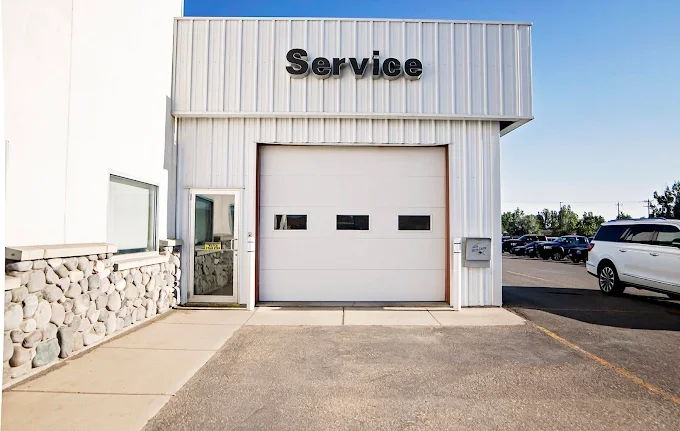




Driving in the foothills of the Absaroka Mountains requires a vehicle that is mechanically sound and ready for shifting conditions. Wyoming winter temperatures frequently drop below freezing, which significantly impacts automotive health. Cold weather reduces battery cranking power while simultaneously increasing the energy required to turn over an engine, making older or weak batteries much more likely to fail when the temperature dips. Our team focuses on ensuring your electrical system is robust enough to handle these demands before the first frost hits.
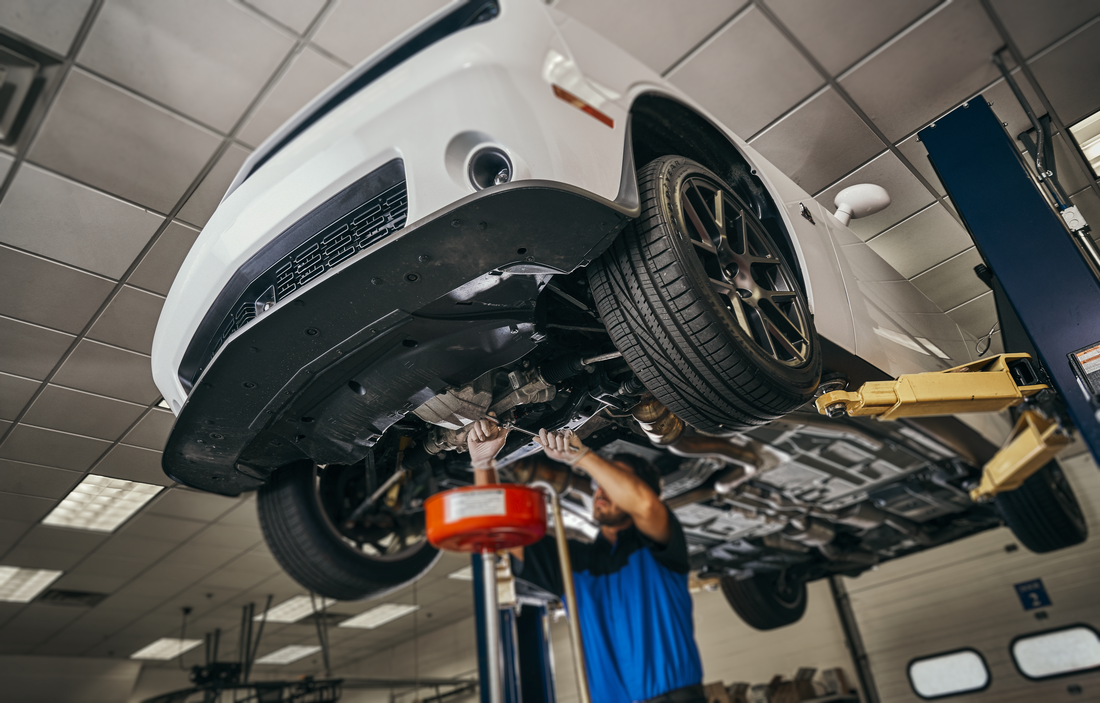
Beyond the battery, the physical connection to the road is a primary safety concern for local drivers. The Federal Highway Administration notes that over 70 percent of roads in the United States are in regions receiving more than 5 inches of annual snowfall. In a community like Cody, maintaining proper tire health is not just a recommendation; it is a necessity for navigating slushy or icy pavement. We monitor tire endurance and high-speed performance standards to ensure your vehicle meets safety requirements for highway travel.
Wyoming DOT Safety Advisory: Always check antifreeze levels, windshield wipers, and brake conditions before embarking on winter travel. Address critical warning indicators like oil pressure or coolant temperature immediately to prevent permanent engine failure.
Maintaining your vehicle's fluids and mechanical systems is essential for long-term reliability in our high-elevation environment. If you notice dashboard warning lights like the oil pressure warning or engine coolant temperature light, it is critical to address them immediately to prevent severe engine damage. If you need assistance with a diagnosis or routine maintenance, you can reach our service department at (307) 587-6206 or visit our service center on Big Horn Ave to speak with a technician.
| Wyoming Driving Factor | Recommended Action / Benchmark |
|---|---|
| Sub-Zero Temperatures | Pre-winter battery load testing (Batteries over 3 years old) |
| Snowfall Threshold | Over 5 inches annually requires dedicated winter/all-terrain tire tread monitoring |
| Mountain Pass Driving | Inspect brake pads and fluid every 5,000 to 7,000 miles |
| Cold Air PSI Drops | Tire pressure drops ~1 psi for every 10°F decrease in outside temperature |
Preparing for Your Service: Why You Should Call Ahead and Confirm Hours
Confirming a shop's availability before you head out is a practical step that saves time and ensures your vehicle gets the attention it needs. Most auto repair facilities in the region operate on a standard schedule, typically Monday through Friday from 8:00 AM to 5:00 PM. While some locations might offer limited hours on Saturday mornings, calling ahead allows you to verify that a technician with the right specialization is on-site. This is particularly important if you are driving a newer model with complex infotainment or driver-assist technologies that require specific diagnostic tools.
Scheduling an appointment helps our team manage the shop floor effectively, reducing the time your vehicle spends in a service bay. When we know you are coming, we can often pre-order high-turnover parts or clear a lift for a specific job, such as a multi-point inspection or a complex 4x4 system repair. For those traveling through the area or visiting from nearby Billings, calling ahead ensures that we can accommodate your timeline and get you back on the road without unnecessary delays.
Transparency regarding operating hours and service windows is a core part of how we build trust with our neighbors. If a major job is required, such as an engine replacement or transmission work, the timeline can shift based on current shop volume. By speaking with a service advisor first, you can get a realistic expectation of how long your vehicle will be in the shop. This clear communication helps you plan your week and ensures there are no surprises when you arrive for your scheduled maintenance.
Essential Information to Gather Before Requesting a Repair Estimate
Having the right details ready when you request a repair estimate makes the diagnostic process much smoother for everyone involved. We recommend having your vehicle's year, make, and model on hand, along with the current mileage. These details are foundational because maintenance needs change significantly as a vehicle ages; for instance, a truck with 100,000 miles often requires different preventative care than a vehicle with only 30,000 miles.
Beyond basic vehicle specs, being able to describe specific symptoms helps our technicians narrow down the cause of a problem. Take note of when the issue occurs—is it only during a cold start, or does it happen after the engine has reached operating temperature? If a dashboard light has appeared, knowing the specific symbol is vital. NHTSA identifies several critical lights, such as the brake warning light, that require immediate professional attention to avoid safety risks.
It is also helpful to provide a brief history of recent services. If you just had an oil change or replaced your spark plugs, let your service advisor know. Sometimes a new symptom is related to a recent repair, or it might indicate that a different component is reaching the end of its lifespan. Providing this context allows us to give you a more accurate estimate and prevents redundant diagnostic steps, keeping your costs and downtime to a minimum.
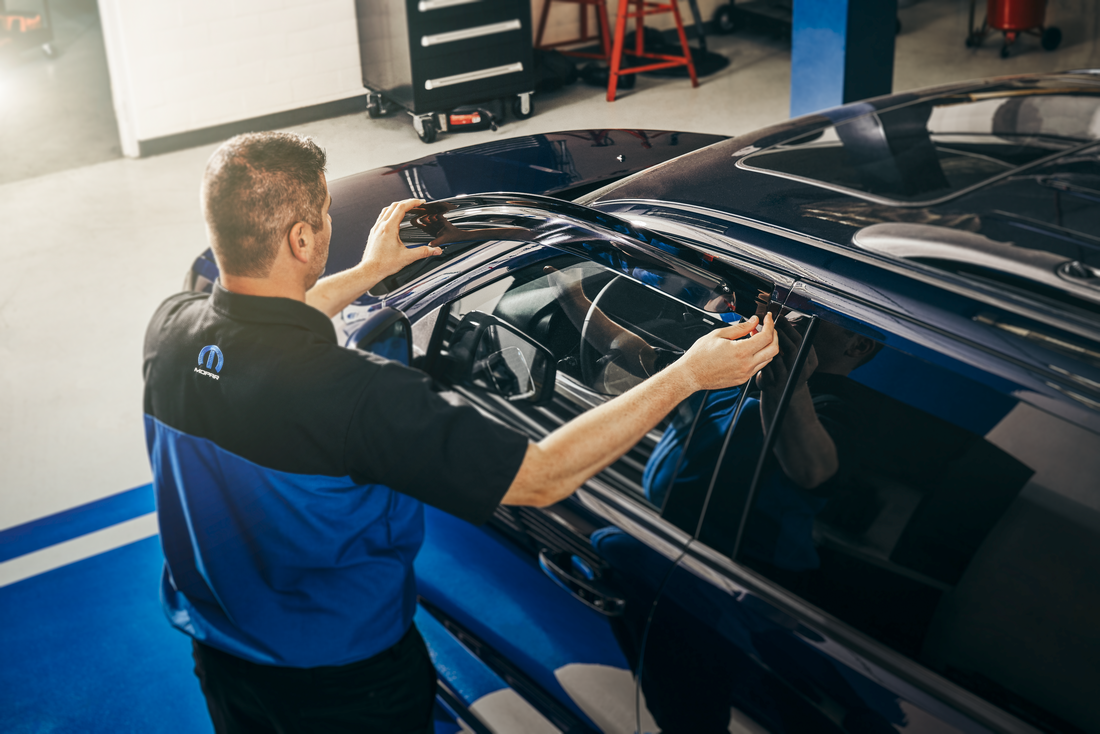
Understanding the Core Factors That Drive Auto Repair Estimates
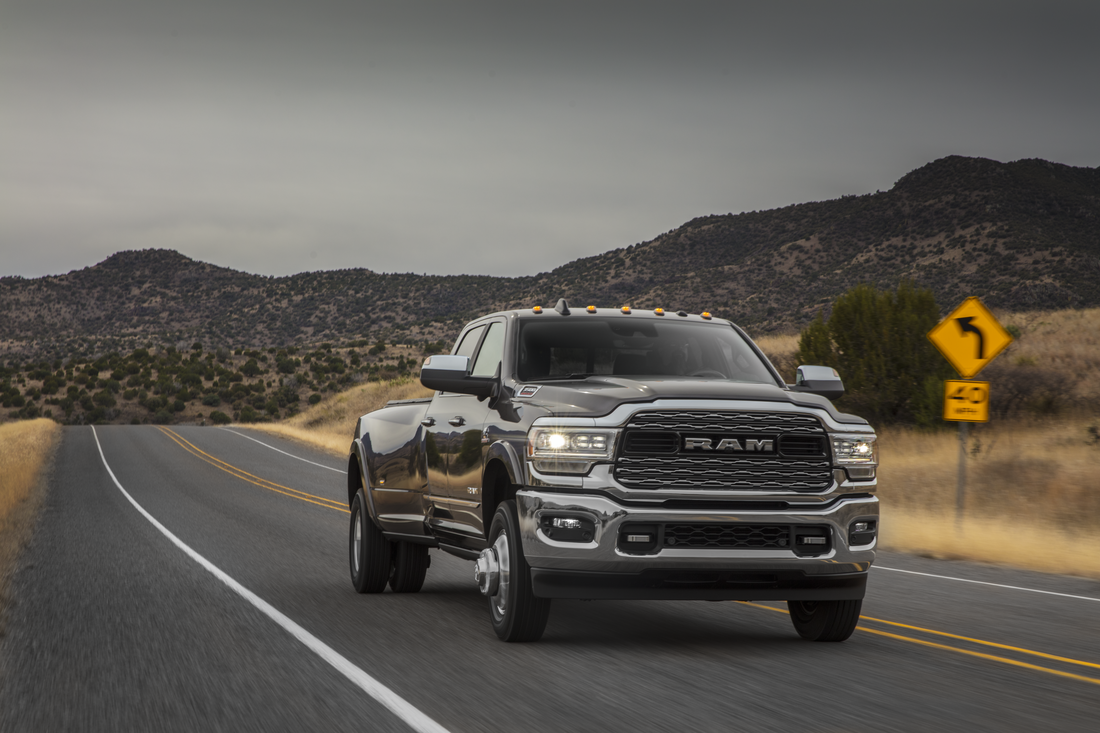
The final price on a repair estimate is influenced by several distinct variables, with labor time and parts availability being the most significant. Labor rates are typically based on industry-standard "book time," which estimates how long a specific task should take a certified technician to complete. Complex diagnoses involving electrical systems or internal engine components naturally require more time than routine mechanical swaps. In Cody, where many residents rely on heavy-duty Ram trucks or Jeep SUVs for work and recreation, specialized 4x4 repairs can also affect the labor complexity.
Parts quality and sourcing also play a major role in the total cost. We prioritize using genuine OEM parts because they are designed specifically for your vehicle's make and model, ensuring a precise fit and long-term durability. While aftermarket options may sometimes have a lower initial price, they often lack the same warranty protection or longevity as factory-backed components. Additionally, shipping times for specialized parts can impact the estimate if a component needs to be brought in from a regional distribution center.
Mountain Pass Brake Maintenance: Stopping Safely on Sylvan Pass
Driving through mountain passes like Sylvan Pass puts an extraordinary amount of stress on your vehicle's braking system. Constant downhill grades require sustained braking, which generates significant heat. This heat can lead to "brake fade," a condition where the pads and rotors become so hot they lose their ability to generate friction effectively. To stay safe, we recommend having your brakes inspected every 5,000 to 7,000 miles if you frequently navigate steep terrain.
Proper maintenance involves checking both the thickness of the brake pads and the condition of the brake fluid. Brake fluid is hygroscopic, meaning it absorbs moisture over time, which lowers its boiling point and can lead to a "soft" brake pedal feel during heavy use. If you notice any squealing, grinding, or a change in pedal pressure while descending from Yellowstone National Park, it is a sign that your system needs immediate attention. FHWA data highlights that 24 percent of weather-related crashes occur on icy or slushy pavement, where functional brakes are your most important safety tool.
In addition to mechanical inspections, using your vehicle's transmission to help control speed—often called engine braking—can preserve your brake life. Shifting to a lower gear on long descents reduces the burden on the pads and rotors. However, this technique should complement, not replace, a well-maintained braking system. Our technicians can check your rotor thickness and ensure your calipers are properly lubricated to prevent uneven wear, keeping your family safe during every mountain adventure.
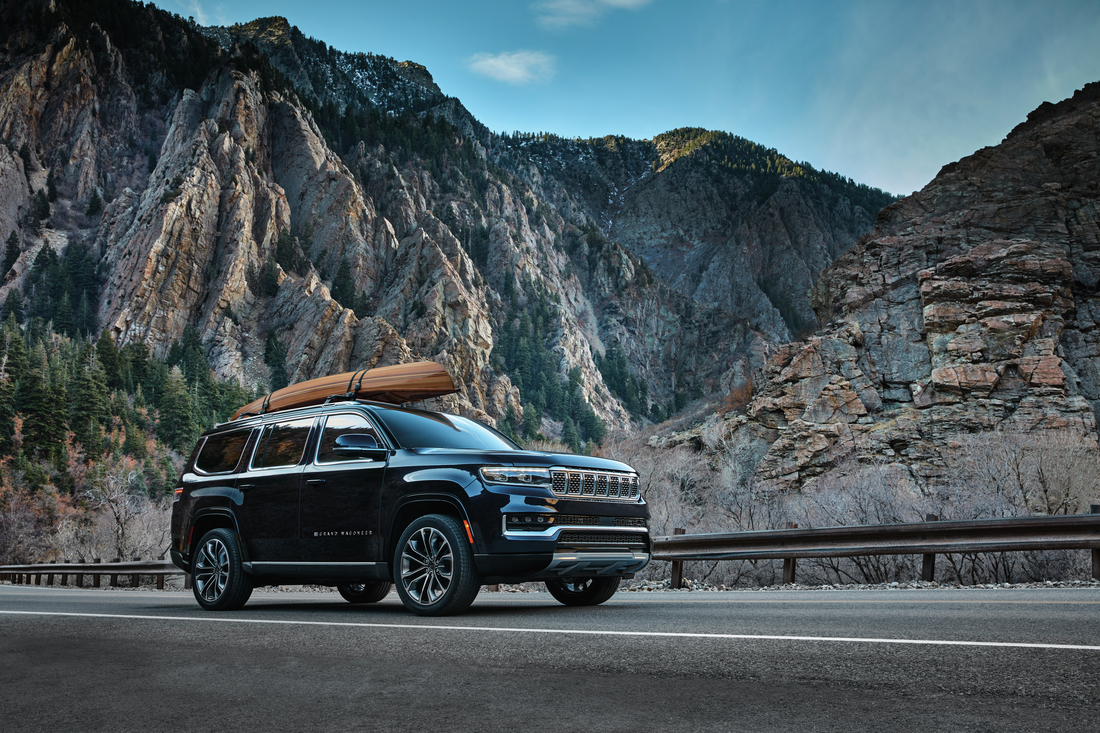
We understand that for many of our neighbors, a vehicle is a tool for work and a gateway to the outdoors. Whether you are dealing with the aftermath of a deer strike or need a professional to look at your 4x4 drivetrain after a weekend on the trails, we offer transparent pricing and timely appointments. Our goal is to minimize your downtime so you can get back to your hardest workdays or your next family trip to the backcountry.
If you are unsure whether a specific issue requires a body shop or a mechanical repair, our advisors are here to help guide you. We can coordinate with local specialists to ensure every aspect of your vehicle—from the paint to the powertrain—is handled with care. To discuss a repair or to find out more about our specialized services, you can reach out to our team at (307) 587-6206. You are also welcome to visit Fremont Motor Cody Chrysler Dodge Jeep Ram to speak with a technician in person and see why we are a trusted name for local automotive care.
Quick Answers Regarding Auto Repair in Cody
Q: How can I tell if my car battery is struggling before it fails in the winter?
You might notice the engine cranking more slowly than usual when you start the vehicle, or your headlights might appear slightly dimmer when the engine is idling. In Wyoming's cold climate, it is a good idea to have a battery load test performed if your battery is more than three years old. This test measures the battery's ability to hold a charge under a simulated load, giving you a clear picture of its health before the sub-zero temperatures arrive.
Q: Why does my tire pressure light come on more often when the temperature drops?
Tire pressure typically drops about 1 psi for every 10°F decrease in outside temperature. In Cody, where autumn nights can be significantly colder than the days, this fluctuation often triggers the tire pressure monitoring system (TPMS). We recommend checking your pressure manually with a gauge once a month and adjusting it to the levels listed on the sticker inside your driver-side door jamb to ensure even wear and optimal traction.
Q: What should I do if my brakes start squeaking only when I am driving downhill?
A high-pitched squeak during downhill descents often indicates that the brake pads are getting thin or that the rotors have developed a slight glaze from high heat. Because mountain driving on passes like Sylvan Pass generates more heat than flat-land driving, these symptoms should be addressed quickly. A technician can inspect the friction material thickness and check the rotors for signs of heat-related warping or spotting.
Q: Is it necessary to use synthetic oil for vehicles driven in rugged Wyoming conditions?
Synthetic oil generally provides better protection in extreme temperatures because it flows more easily in the cold and resists breaking down under high heat. For drivers who frequently tow trailers or navigate steep mountain grades, synthetic oil can offer superior lubrication for engine components. We can review your specific driving habits and your vehicle's manufacturer requirements to help you decide which oil type is best for your engine's longevity.
Q: How long does a standard multi-point safety inspection usually take?
A thorough multi-point inspection typically takes about 30 to 45 minutes when performed by an experienced technician. During this time, we check fluid levels, tire condition, brake wear, belt and hose integrity, and the battery's state of charge. This is an excellent way to catch small issues before they become expensive repairs, and we often include it as part of our routine oil change services to keep your vehicle running strong.
Schedule Your Expert Maintenance and Repair Today
Keeping your vehicle in peak condition is the best way to ensure safety and reliability on Wyoming’s rugged roads. Whether you need a routine oil change, a detailed brake inspection after a mountain trip, or a complex diagnostic for your 4x4 system, our team is committed to providing the honest, high-quality care you expect. We use genuine parts and the latest diagnostic technology to keep your Ram, Jeep, Dodge, or Chrysler vehicle performing at its best, regardless of the season or the terrain.
We invite you to experience the friendly, local service that has made us a staple in the community. Our transparent pricing and commitment to timely repairs mean you spend less time in the waiting room and more time out on the road. From preventative maintenance to major repairs, we treat every vehicle with the same care and attention to detail as if it were our own.
Take the next step in protecting your vehicle and your family’s safety by booking your next service visit with us. You can easily call our service department to find a time that works for your schedule or use our online tools to learn more about our current service offerings. Visit our team at Fremont Motor Cody Chrysler Dodge Jeep Ram and let us help you keep your vehicle ready for every adventure Yellowstone and the surrounding mountains have to offer.